
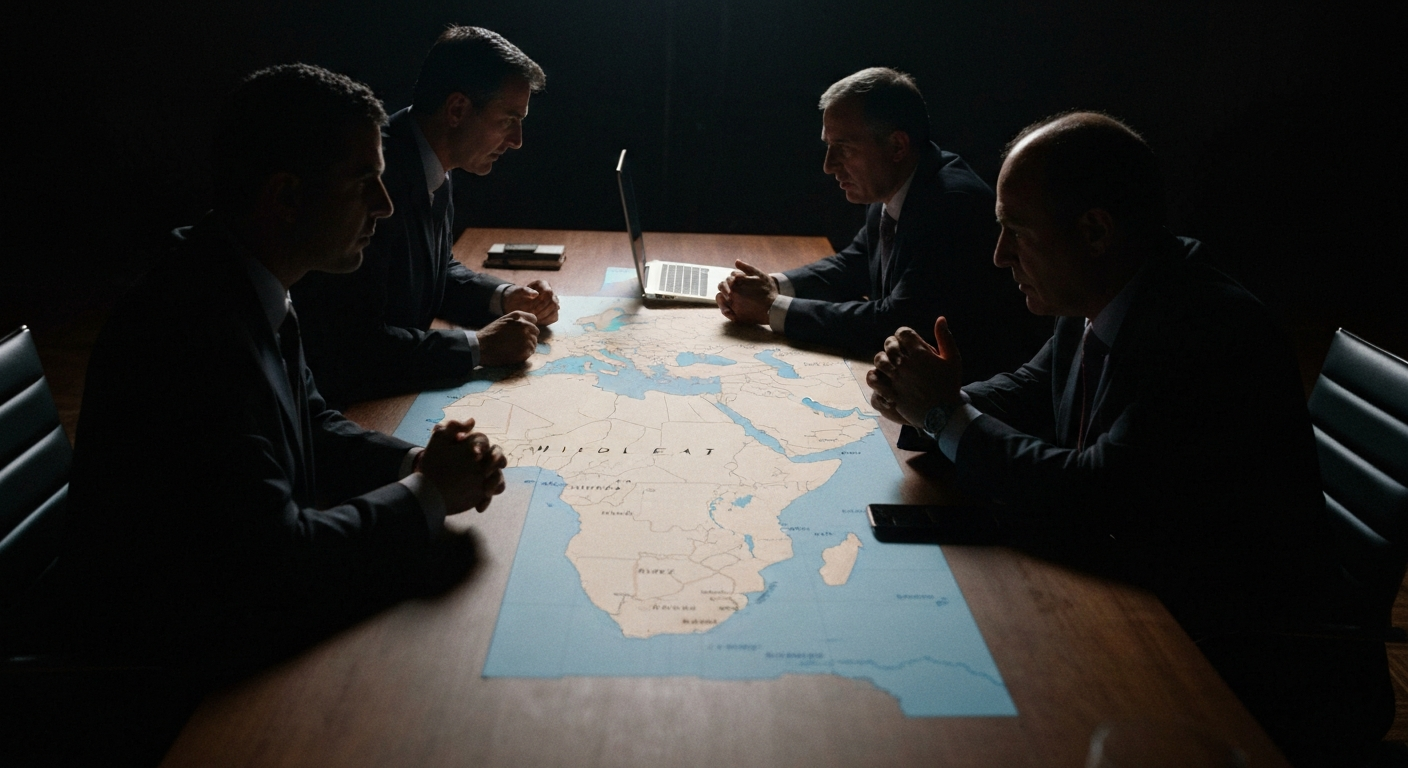
အမေရိကန်-အီရန် တင်းမာမှုများသည် ကမ္ဘာလုံးဆိုင်ရာ ငွေပေးချေမှုများတွင် ဒေါ်လာ Stablecoins ၏ မြင့်တက်လာသည့် အခန်းကဏ္ဍကို မီးမောင်းထိုးပြသည်။

အမေရိကန်-အီရန် ပဋိပက္ခသည် ပိုမိုပြင်းထန်လာကာ စစ်ရေးရည်မှန်းချက်များကိုသာ ရည်ရွယ်သည့် လှုံ့ဆော်မှုတစ်ခုအဖြစ် ဘောင်ခတ်ထားခြင်းမဟုတ်ဘဲ အထူးသဖြင့် ဒေါ်လာ၊ ဒေါ်လာဝန်းကျင်၊ စွမ်းအင်ထောက်ပံ့ရေးကွင်းဆက်များနှင့် နယ်စပ်ဖြတ်ကျော်ငွေပေးချေမှုတွင် တည်ငြိမ်ဒင်္ဂါးများ၏ အခန်းကဏ္ဍ လျင်မြန်စွာ ကြီးထွားလာနေသည့် ကမ္ဘာလုံးဆိုင်ရာ အစီအစဉ်ကို ပြန်လည်ပုံဖော်ခြင်းအဖြစ် ဘောင်ခတ်ထားသည်။
သမ္မတ Trump ၏ အစိုးရအဖွဲ့သည် အီရန်၏ နျူကလီးယားစွမ်းရည်ကို ဖျက်သိမ်းရန်၊ ဒုံးကျည်စွမ်းရည်ကို ကျဆင်းစေခြင်း၊ ရေတပ်စွမ်းအားကို လျှော့ချခြင်းနှင့် အကြမ်းဖက်မှုနှင့် ဆက်နွှယ်သည့် ငွေကြေးထောက်ပံ့မှုတို့ကို နှောင့်ယှက်ခြင်းစသည့် ရင်းနှီးပြီးသား လုံခြုံရေးပန်းတိုင်များကို လူသိရှင်ကြား အလေးပေးဖော်ပြခဲ့သည်။ ထိပ်တိုက်ရင်ဆိုင်မှုများ အရှိန်ပြင်းလာသည်နှင့်အမျှ စျေးကွက်များအတွက် အကျိုးဆက်ဇာတ်လမ်းသည် အခြားနေရာများတွင် ပေါ်ထွက်နေလေသည်- စစ်ပွဲ၏ နောက်ဆက်တွဲသက်ရောက်မှုများသည် ကမ္ဘာ့စီးပွားရေး၏ မဏ္ဍိုင်သုံးရပ်ဖြစ်သည့် ဘဏ္ဍာရေး၊ စွမ်းအင်နှင့် ကုန်ထုတ်လုပ်မှုတို့တွင် ဖွဲ့စည်းပုံဆိုင်ရာ ပြန်လည်ချိန်ညှိမှုကို အရှိန်မြှင့်လျက်ရှိသည်။
ထိုပြောင်းလဲမှု၏ဗဟိုတွင် တစ်ချိန်တည်းတွင် စိန်ခေါ်မှုနှင့် အားဖြည့်ပေးနေသည့် ဒေါ်လာစနစ်ဖြစ်သည်။ ကော်လံ၏ ငြင်းခုံချက်အရ အီရန်နှင့်ချိတ်ဆက်ထားသော သရုပ်ဆောင်များသည် အထူးသဖြင့် ယွမ်ငွေပေးချေမှုများနှင့် Hormuz ရေလက်ကြားတစ်ဝိုက်ရှိ လှုပ်ရှားမှုနှင့် ဆက်စပ်နေသော တည်ငြိမ်သောဒင်္ဂါးပြားအခြေခံ လွှဲပြောင်းမှုများကို တောင်းဆိုခြင်းဖြင့် ဒေါ်လာမဟုတ်သော ရထားလမ်းများတွင် ကုန်သွယ်မှုအခြေချမှုကို ပိုမိုတွန်းအားပေးရန် စူးစမ်းရှာဖွေခဲ့ကြသည်။ စာရွက်ပေါ်တွင် 'de-dollarization' တွင် နောက်ထပ်ကြိုးစားမှုတစ်ခုအဖြစ် ရေးထားသည်။ လက်တွေ့တွင်၊ စျေးကွက်များသည် မငြိမ်မသက်မှုကို ဒဏ်ခတ်ရန်၊ ၎င်းကို ဆုမချဘဲ၊ တည်ငြိမ်မှုဆိုင်ရာ ယုံကြည်စိတ်ချရမှုကို ရှာဖွေမှုသည် အခြားနည်းလမ်းများထက် 'ဒေါ်လာငွေဖြင့်ပြုလုပ်ထားသော တည်ငြိမ်မှု' နှင့် ပိုမိုဆုံစည်းလာပါသည်။
ထိုတက်ကြွမှုသည် ဒေါ်လာအခြေခံတည်ငြိမ်သောဒစ်ဂျစ်တယ်-အမေရိကန်ဒေါ်လာ 1:1 ကိုခြေရာခံရန် ယေဘုယျအားဖြင့် ဒီဇိုင်းထုတ်ထားသည့် ဒစ်ဂျစ်တယ်တိုကင်များနှင့် မကြာခဏငွေသားနှင့် အမေရိကန်အစိုးရကြွေးမြီများဖြင့် ကျောထောက်နောက်ခံပေးလေ့ရှိသော ငွေကြေးနှင့် ကာလတိုအမေရိကန်အစိုးရကြွေးမြီများ ၏ မဟာဗျူဟာမြောက်ဆက်စပ်မှုကို ဖယ်ရှားပေးခဲ့သည်။ ငွေပေးချေမှု မသေချာမရေရာမှုများ မြင့်တက်လာသည်နှင့်အမျှ တည်ငြိမ်ပြီး လွယ်ကူစွာ လွှဲပြောင်းနိုင်သော ဒစ်ဂျစ်တယ်ဒေါ်လာများ ၀ယ်လိုအား မြင့်တက်လာသည်။ ကော်လံတွင် ရလဒ်သည် ဆန့်ကျင်ဘက်ဖြစ်နေသည်ဟု စောဒကတက်သည်- တည်ငြိမ်သောဒင်္ဂါးပြားအသုံးပြုမှု မြင့်တက်လာခြင်းသည် အဓိက ထုတ်ပေးသူများသည် US Treasuries ကို အရန်အဖြစ် ကိုင်ထားလေ့ရှိသောကြောင့်၊ အဘယ်ကြောင့်ဆိုသော် အဓိက ထုတ်ဝေသူများသည် US Treasuries ကို အရန်ငွေအဖြစ် ကိုင်ဆောင်ထားသောကြောင့် အားနည်းသွားခြင်းထက်၊ ဒေါ်လာလွှမ်းမိုးမှု အားနည်းသွားသည်ထက် ပိုမိုအားကောင်းလာနိုင်သည်။ ထိုပုံစံတွင်၊ တည်ငြိမ်သောဒင်္ဂါးပြားလည်ပတ်မှု ကြီးထွားလာမှုသည် အမေရိကန်အစိုးရကြွေးမြီအတွက် တိုးမြှင့်ဖွဲ့စည်းပုံဆိုင်ရာ လိုအပ်ချက်အဖြစ် ဘာသာပြန်ကာ၊ ငွေပေးချေမှုအား ထိတ်လန့်စေသည့် အမေရိကန်ဘဏ္ဍာရေးရန်ပုံငွေအခြေအနေများအတွက် ပံ့ပိုးမှုအဖြစ်သို့ ထိရောက်စွာပြောင်းလဲသွားသည်။
ဝါရှင်တန်ရှိ မူဝါဒအရေးတကြီးကိုလည်း ဇာတ်လမ်းထဲသို့ ဆွဲသွင်းခဲ့သည်။ Stablecoins များသည်စနစ်တကျပိုမိုအရေးကြီးလာသည်နှင့်အမျှ၊ US လွှတ်တော်ကိုယ်စားလှယ်များသည် ဒေါ်လာနှင့်ချိတ်ဆက်ထားသောစံနှုန်းများကိုပိတ်လှောင်ထားသည့် ကြီးကြပ်မှုစည်းမျဉ်းများကိုတရားဝင်လုပ်ဆောင်ရန် ပိုမိုအားကောင်းသောမက်လုံးများရှိသည်။ အကြောင်းပြချက်မှာ 'ငွေကြေးအမိန့်' သည် အပစ်အခတ်ရပ်စဲရေးမစမီ—တရားဝင်ဗိသုကာပညာ၊ အရန်ဖွဲ့စည်းမှုနှင့် ငွေပေးချေမှုအပြုအမူများမှတစ်ဆင့် အပစ်အခတ်ရပ်စဲရေးဆိုင်ရာ ရလဒ်များကို စစ်မြေပြင်ရလဒ်များမှတစ်ဆင့် ပြောင်းလဲနိုင်သည်။
စွမ်းအင်ဈေးကွက်များသည် အပြိုင်ပြန်လည်ချိန်ညှိမှုကို ကြုံတွေ့နေရသည်။ Hormuz ရေလက်ကြားသည် လုံခြုံရေးအန္တရာယ်၏ဗဟိုချက်တွင် ထပ်ခါတလဲလဲဖြစ်နေသဖြင့် ကုန်သည်များသည် အရှေ့အလယ်ပိုင်း ထောက်ပံ့ရေးလမ်းကြောင်းများ၏ အားနည်းချက်ကို ပြန်လည်သတ်မှတ်ကာ တင်သွင်းသူများကို ပိုမိုယုံကြည်စိတ်ချရသည်ဟု ထင်မြင်သည့် အခြားအရင်းအမြစ်များကို ရှာဖွေရန် လှုံ့ဆော်ခဲ့သည်။ ထိုအခြေအနေမျိုးတွင်၊ ကမ္ဘာ့အကြီးဆုံးရေနံထုတ်လုပ်သူဖြစ်သည့် အမေရိကန်ပြည်ထောင်စုသည် ထုတ်လုပ်သူအဖြစ်သာမကဘဲ ပထဝီနိုင်ငံရေးအရ စွန့်စားရသည့် ရိုးရာလမ်းကြောင်းများကို ပိတ်ဆို့လိုက်သောအခါ ကွာဟချက်များအား ဖြည့်ဆည်းပေးမည့် 'တည်ငြိမ်သောပေးသွင်းသူ' အဖြစ် နေရာယူထားသည်။ Hormuz အနီးတဝိုက်တွင် သိမြင်နိုင်သော အန္တရာယ် ကြီးမားလေ၊ US ချိတ်ဆက်ထားသော ထောက်ပံ့မှု၊ ပို့ဆောင်မှု၊ နှင့် ကန်ထရိုက်တည်ဆောက်ပုံများဆီသို့ ဆွဲငင်အားကောင်းလေဖြစ်ပြီး၊ အနီးအပါးထက် ယုံကြည်စိတ်ချရမှုဝန်းကျင်တွင် စွမ်းအင်စီးဆင်းမှု ဟန်ချက်ညီမှုကို အားဖြည့်ပေးပါသည်။
ကုန်ထုတ်လုပ်မှုသည် ပဋိပက္ခ၏ ဒုတိယအစီအစဥ်အကျိုးသက်ရောက်မှုများသို့ သုတ်သင်ခံရပါသည်။ ကော်လံတွင် စစ်အတွင်း ထောက်ပံ့ပို့ဆောင်ရေးများသည် ခဲယမ်းများနှင့် အရေးကြီးသော အစိတ်အပိုင်းများတွင် ပြတ်တောက်မှုကို ဖော်ထုတ်နိုင်ပုံအား မီးမောင်းထိုးပြပြီး နိုင်ငံတကာတွင် ကွဲကွာနေသော ထောက်ပံ့ရေးကွင်းဆက်များ၏ ပျော့ပျောင်းမှုကို အလေးပေးဖော်ပြသည်။ အချို့သော ဆီမီးကွန်ဒတ်တာ ထုတ်လုပ်မှု လုပ်ငန်းစဉ်များတွင် အသုံးပြုသည့် ဟီလီယမ်ကဲ့သို့သော သွင်းအားစုများ၏ အားနည်းချက်ကို ညွှန်ပြသည်—ဒေသတွင်း chokepoints များနှင့် ချိတ်ဆက်ထားသော အနှောင့်အယှက်များသည် နည်းပညာမြင့်ထုတ်လုပ်မှုတစ်လျှောက် တုန်လှုပ်သွားနိုင်သည်။ ထောက်ပံ့ရေးကွင်းဆက်များသည် ကြိုတင်ခန့်မှန်းနိုင်မှုနည်းလာသောအခါ၊ ကုန်ကျစရိတ်များလာခြင်း၊ ခဲချိန်ကြာလာသည်နှင့် 'ဘေးကင်းသောထုတ်လုပ်မှုအခြေခံများ' ကို ဦးစားပေးရန် နိုင်ငံရေးဖိအားများ တိုးလာသည်။ ထိုပတ်ဝန်းကျင်သည် နိုင်ငံရပ်ခြား ပိတ်ဆို့မှုများအပေါ် မှီခိုအားထားမှုကို လျှော့ချရန် ဒီဇိုင်းထုတ်ထားသော အမေရိကန်၏ ကြီးထွားလာမှုနှင့် စက်မှုမူဝါဒဆိုင်ရာ ကြိုးပမ်းမှုများအတွက် ထပ်လောင်း မျှတမှု ပေးပါသည်။
ဤရှုထောင့်မှကြည့်လျှင် အမေရိကန်ပြည်ထောင်စုအတွက် ပဋိပက္ခ၏ ရေရှည် “ ဂွင်” သည် စစ်မြေပြင်နေရာချထားခြင်းတွင် အကန့်အသတ်မရှိပေ။ မတည်ငြိမ်မှု ကာလကြာရှည်ခြင်းသည် ကာကွယ်ရေးကဏ္ဍဝယ်လိုအားကို ချဲ့ထွင်နိုင်သည်၊ စွမ်းအင်တင်ပို့မှု ဒိုင်းနမစ်များကို မြှင့်တင်နိုင်သည်၊ ပြည်တွင်းကုန်ထုတ်စွမ်းအားအတွက် ကိစ္စရပ်ကို အားကောင်းစေပြီး၊ stabilitycoin သံလမ်းများမှတစ်ဆင့် ပိုမိုဒစ်ဂျစ်တယ်ပုံစံသို့ ဒေါ်လာ၏ဆင့်ကဲပြောင်းလဲမှုကို အရှိန်မြှင့်နိုင်သည်။ ကော်လံ၏အဓိကတောင်းဆိုချက်မှာ စစ်ပွဲသည် ကုန်ကျစရိတ်သက်သက်သာဖြစ်သည်ဟု မကြာခဏထင်မြင်ကြပြီး ၎င်း၏ဖွဲ့စည်းပုံဆိုင်ရာအကျိုးသက်ရောက်မှုများသည် ကုန်သွယ်မှုစည်းမျဉ်းများကို ပြန်လည်တည်ဆောက်ရာတွင် ရင်းနှီးမြှုပ်နှံမှုတစ်ခုနှင့်ဆင်တူနိုင်သည်—အထူးသဖြင့် တရားရေးဆိုင်ရာစံနှုန်းများနှင့် အခြားရွေးချယ်စရာများကို ထောက်ပံ့ပေးနိုင်သည့်အာဏာအတွက်ဖြစ်သည်။
အဆိုပါ အားနည်းချက်သည် ဤနယ်ပယ်များတွင် တိကျစွာ စွန့်စားရသော စီးပွားရေးပုံစံကို အာရုံစိုက်သည့် နိုင်ငံများအတွက် အပြင်းထန်ဆုံးဖြစ်ကြောင်း ၎င်းကဆိုသည်။ တောင်ကိုးရီးယားသည် Hormuz ချိတ်ဆက်ထားသော စွမ်းအင်စီးဆင်းမှုအပေါ် မြင့်မားသောမှီခိုမှု၊ နိုင်ငံရပ်ခြားဆုံမှတ်များနှင့် ဆက်စပ်နေသည့် ထုတ်လုပ်မှုကွင်းဆက်များနှင့် ဒေါ်လာအခြေခံအခြေချနေထိုင်မှုစနစ်များအပေါ် နက်ရှိုင်းစွာ မှီခိုအားထားမှုတို့ကို မျက်နှာစာသုံးမျက်နှာတွင် ဖော်ထုတ်ထားသည့် တောင်ကိုရီးယားကို ကိုးကားဖော်ပြထားသည်။ ထိုနောက်ခံမြင်ကွင်းကိုဆန့်ကျင်ဘက်တွင်၊ ခိုင်မာသောဝမ်-အခြေခံတည်ငြိမ်သော coin အခြေခံအဆောက်အအုံနှင့် ဒစ်ဂျစ်တယ်ငွေပေးချေမှုစွမ်းရည်မရှိခြင်းသည် ဗျူဟာမြောက်ကွာဟချက်အဖြစ် ဘောင်ခတ်ထားသည်။ ကုန်သွယ်မှုနှင့် လွှဲပြောင်းမှုများအတွက် ဒေါ်လာတည်ငြိမ်သော ဒစ်ဂျစ်တယ်ဒစ်ဂျစ်တယ်အရံကြားခံအဖြစ် ပေါင်းစည်းထားပါက၊ ကိုရီးယားသည် ၎င်းလုပ်ဆောင်နေသည့် ရထားလမ်းများကို ပုံသွင်းခြင်းထက် အကန့်အသတ်ဖြင့် အလျှော့အတင်းလုပ်သည့်စနစ်ဖြင့် သူ့ကိုယ်သူ စုပ်ယူနိုင်မည်ဖြစ်သည်။
ပိုမိုကျယ်ပြန့်သော သက်ရောက်မှုမှာ တိုက်ပွဲများသည် ပထဝီဝင်အနေအထားအရ ဝေးကွာနေသော်လည်း ငွေပေးချေမှုကွန်ရက်များ၊ စွမ်းအင်အရင်းအမြစ်များနှင့် စက်မှုထောက်ပံ့ပို့ဆောင်ရေးတို့ကို ပြန်လည်ဒီဇိုင်းထုတ်နေပြီဖြစ်သည်။ ထိုသဘောအရ၊ အီရန်ပဋိပက္ခသည် သမားရိုးကျ စစ်ရေးအရ ထိပ်တိုက်တွေ့မှုအဖြစ် နည်းပါးလာပြီး ကမ္ဘာလုံးဆိုင်ရာ စနစ်၏ အချိန်နှင့်တပြေးညီ ဖိစီးမှုစမ်းသပ်မှု—နှင့် ပြန်လည်ဖွဲ့စည်းမှု—အဖြစ် ပိုမိုဖော်ပြခံရသည်။
🔎 စျေးကွက်စကားပြန်
{
“ macro_thesis” – [
{
“ point” : “ The U.S.-Iran conflict is framed as a systemic catalyst, accelerating shifts in finance, energy, and manufacturing rather than remaining a purely military story.” ,
“ market_read” : “ Markets increasingly price second-order effects: payment reliability, shipping risk premia, and supply-chain security.”
},
{
“ point” : “ De-dollarization attempts (e.g., yuan settlement) may rise rhetorically, but volatility pushes participants toward instruments that maximize settlement certainty.” ,
“ market_read” : “ In stress regimes, demand clusters around ‘dollar-pegged stability’ rather than alternative currency rails.”
},
{
“ point” : “ Dollar-pegged stablecoins can reinforce USD dominance because major issuers often hold U.S. Treasuries as reserves.” ,
“ market_read” : “ Higher stablecoin circulation can translate into incremental structural demand for U.S. government debt—supportive of U.S. funding conditions.”
},
{
“ point” : “ Energy risk centered on the Strait of Hormuz increases the premium on ‘reliable supply,’ benefiting U.S.-linked supply, shipping, and contract structures.” ,
“ market_read” : “ Energy flows may rebalance toward politically and logistically stable suppliers even at higher cost.”
},
{
“ point” : “ Manufacturing constraints (munitions, critical components, helium for semiconductors) highlight fragility in dispersed supply chains.” ,
“ market_read” : “ Higher lead times and disruption risk strengthen the policy bid for onshoring and ‘safe production bases.’”
},
{
“ point” : “ Countries heavily exposed to USD settlement, Hormuz energy routes, and globalized manufacturing nodes face compounded vulnerability.” ,
“ market_read” : “ South Korea is cited as a key example—especially due to limited won-based stablecoin and digital settlement infrastructure.”
}
]၊
“ What_to_watch” : [
“ Stablecoin regulation momentum in Washington (standards, reserve requirements, issuer oversight).” ,
“ Treasury holdings by stablecoin issuers as a proxy for structural USD demand.” ,
“ Hormuz security developments and insurance/shipping cost spikes feeding into energy benchmarks.” ,
“ Evidence of contract repricing toward ‘reliability’ (long-term offtake, destination flexibility, U.S.-linked supply agreements).” ,
“ Industrial policy signals related to onshoring, strategic materials, and semiconductor input security (e.g., helium).”
]
}
💡 မဟာဗျူဟာအချက်များ
{
“ for_investors” – [
{
“ theme” : “ Digital dollar infrastructure as a conflict hedge” ,
“ insight” : “ In periods of geopolitical stress, stablecoins can gain transactional share because they deliver fast, portable dollar settlement when banking rails are frictional.”
},
{
“ theme” : “ Stablecoin-Treasury linkage” ,
“ insight” : “ If stablecoin adoption rises, reserve composition (cash + short-dated Treasuries) can mechanically increase demand for U.S. government paper, tightening the feedback loop between crypto payments and sovereign funding.”
},
{
“ theme” : “ Energy reliability premium” ,
“ insight” : “ Expect sustained focus on suppliers perceived as secure; the U.S. may gain leverage as a ‘stable supplier’ during Hormuz-related disruptions.”
},
{
“ theme” : “ Supply-chain reshoring tailwinds” ,
“ insight” : “ Disruptions in critical inputs and defense logistics can justify accelerated onshoring and redundant capacity buildout, benefiting domestic industrial ecosystems.”
}
]၊
“ for_policy_and_industry” – [
{
“ action” : “ Codify stablecoin oversight to lock in dollar-linked standards” ,
“ why_it_matters” : “ Regulatory clarity can channel flows to compliant issuers and strengthen the U.S. position in global digital settlement before conflicts resolve militarily.”
},
{
“ action” : “ Reduce chokepoint dependency in energy and essential inputs” ,
“ why_it_matters” : “ Diversifying supply routes and suppliers mitigates Hormuz-linked risk and semiconductor/industrial bottlenecks (e.g., helium).”
},
{
“ action” : “ Build domestic and allied ‘safe production bases’” ,
“ why_it_matters” : “ Shortages and long lead times increase the strategic value of localized capacity and allied redundancy in critical manufacturing.”
},
{
“ action” : “ For highly exposed economies (e.g., South Korea): develop local-currency digital settlement capability” ,
“ why_it_matters” : “ Without won-based stablecoin infrastructure, Korea risks becoming a price-taker in a dollar-stablecoin-led settlement order, reducing bargaining power over rails and standards.”
}
]၊
“ risk_scenarios” – [
{
“ scenario” : “ Escalation around Hormuz” ,
“ impact” : “ Higher energy/shipping insurance costs; increased demand for alternative supply; stronger case for U.S. supply leverage.”
},
{
“ scenario” : “ Regulatory divergence on stablecoins” ,
“ impact” : “ Fragmented standards could concentrate flows into jurisdictions with clear rules, potentially accelerating a U.S.-centric stablecoin regime.”
},
{
“ scenario” : “ Supply-chain shock in critical inputs” ,
“ impact” : “ Semiconductor/defense production disruption; political push for stockpiles and onshoring; cost inflation in high-tech manufacturing.”
}
]
}
📘 ဝေါဟာရ
{
“ အသုံးအနှုန်းများ” – [
{
“ term” : “ De-dollarization” ,
“ definition” : “ Efforts to reduce reliance on the U.S. dollar in trade settlement, reserves, or financial infrastructure.”
},
{
“ term” : “ Dollar system” ,
“ definition” : “ The global network of USD-denominated trade, financing, payments, and reserves that underpins international commerce.”
},
{
“ term” : “ Stablecoin (USD-pegged)” ,
“ definition” : “ A digital token designed to track the U.S. dollar 1:1, typically backed by cash and/or short-dated U.S. government debt.”
},
{
“ term” : “ Settlement rails” ,
“ definition” : “ The operational pathways for completing payments (banks, messaging networks, or blockchain-based transfers).”
},
{
“ term” : “ Reserve composition” ,
“ definition” : “ The assets held to back liabilities (e.g., stablecoin tokens), often including cash, Treasury bills, and other liquid instruments.”
},
{
“ term” : “ U.S. Treasuries” ,
“ definition” : “ Debt securities issued by the U.S. government; commonly used as reserves due to liquidity and perceived safety.”
},
{
“ term” : “ Strait of Hormuz” ,
“ definition” : “ A critical maritime chokepoint for global oil flows; security disruptions can quickly affect energy prices and shipping costs.”
},
{
“ term” : “ Reliability premium” ,
“ definition” : “ An added cost or preference in contracts and sourcing paid for suppliers/routes perceived as more secure and predictable.”
},
{
“ term” : “ Onshoring” ,
“ definition” : “ Shifting production and supply chains back to the domestic economy to reduce geopolitical and logistics risk.”
},
{
“ term” : “ Chokepoint risk” ,
“ definition” : “ The vulnerability created when key trade or supply routes depend on narrow geographical corridors or scarce suppliers.”
},
{
“ term” : “ Helium (semiconductor input)” ,
“ definition” : “ A critical gas used in certain semiconductor processes; supply disruptions can ripple through high-tech manufacturing.”
}
]
}

Comments are closed, but trackbacks and pingbacks are open.